EV Charger Installation In Bulli: What Homeowners Need To Know
Installing a home EV charger in Bulli starts with checking your electrical supply, switchboard and parking arrangements. A dedicated charger can make charging more convenient than using a standard power point, but the right setup depends on your vehicle, driving habits and existing electrical infrastructure. Before purchasing equipment, speak with a licensed
electrician in Bulli about your charging requirements. An initial assessment can help you avoid buying a charger that doesn't suit your property.
Why EV Charger Installation Is On The Rise In Bulli
As more Australians consider electric vehicles, home charging is becoming an important part of EV ownership. For Bulli homeowners with off-street parking, charging at home offers the convenience of connecting the vehicle overnight rather than relying entirely on public charging stations. However, installing a charger involves more than mounting a unit on the garage wall.
What Should You Consider Before Buying?
Start with these questions:
- Parking: Can the charging cable reach your vehicle safely?
- Driving habits: How much charging do you need each day?
- Electrical supply: Does your home have single-phase or three-phase power?
- Charging times: Will you charge overnight or during daylight hours?
- Future needs: Could your household eventually have two electric vehicles?
For example, a homeowner making short daily trips may find single-phase charging sufficient. Someone regularly travelling longer distances may benefit from greater charging capacity. The goal is to choose equipment that suits your routine, not simply the most powerful charger available.
Standard Outlet Vs A Dedicated Charging Unit
Some electric vehicles can charge through a suitable household power point using manufacturer-approved portable charging equipment. However, standard outlets and dedicated charging units offer different capabilities.
Can You Use a Normal Power Point?
A standard Australian power point may support slower EV charging, provided the outlet, circuit and charging equipment are suitable. Because charging creates a sustained electrical load, an electrician should assess the installation before you rely on it regularly. Avoid using ordinary extension leads, power boards or double adaptors for EV charging.
Why Choose a Dedicated Charger?
A professionally installed charging unit can provide:
- Faster charging where supported
- A dedicated electrical circuit
- Convenient positioning near your parking space
- Scheduled charging on compatible models
- Load management on suitable equipment
- Potential integration with compatible solar systems
Actual charging speed depends on the vehicle, charger and available electrical supply.
Is Single-Phase Charging Enough?
For many households, yes. Three-phase charging can offer greater capacity, but your vehicle and electrical infrastructure must support it. An electrician can explain whether the additional capacity would provide a meaningful benefit.
Do You Need A Switchboard Upgrade First
Not every EV charger installation requires a switchboard upgrade. The decision depends on your existing electrical infrastructure, available capacity and the charger's requirements.
What Does an Electrician Check?
Before installation, an electrician should assess:
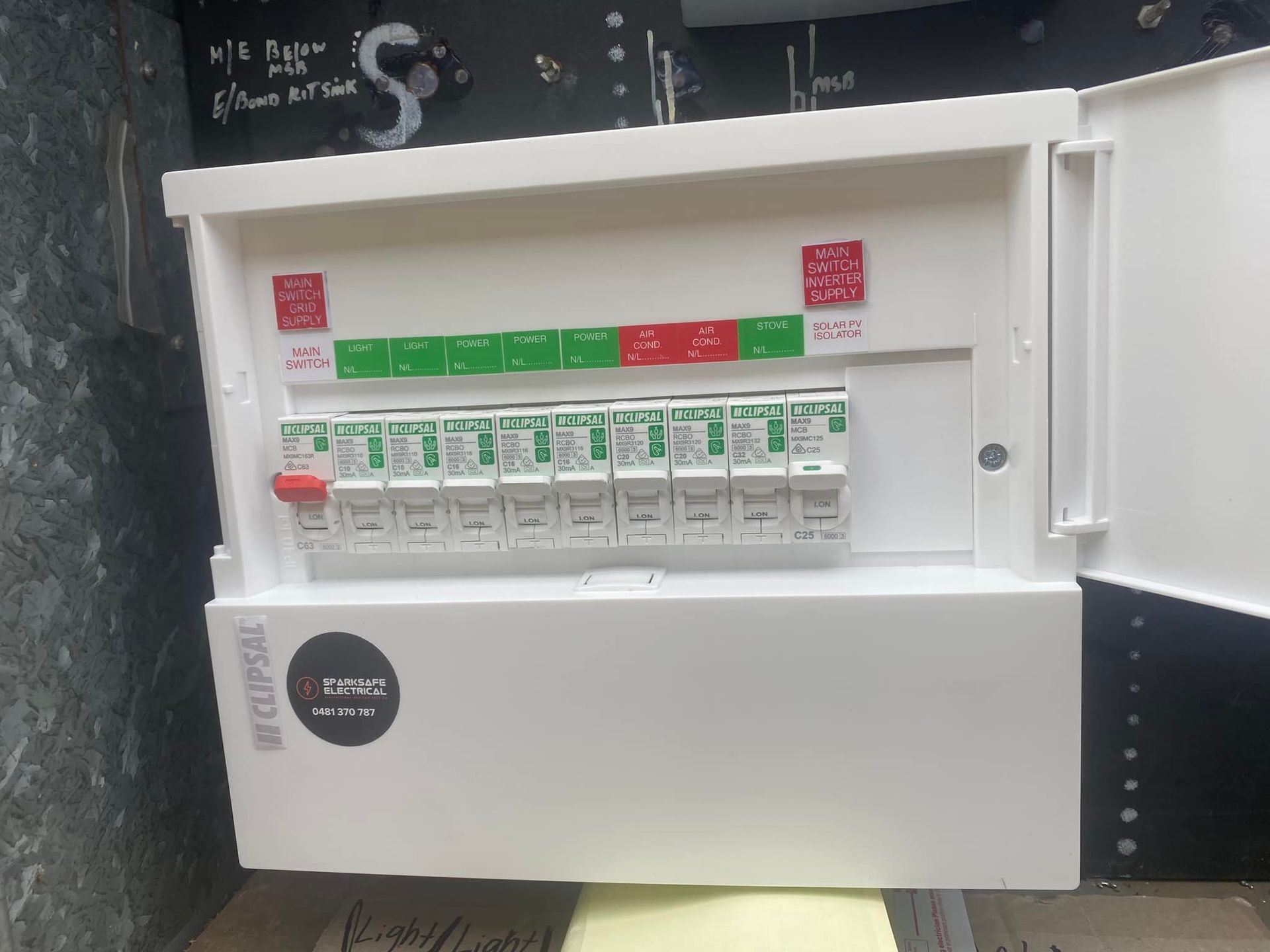
- Switchboard condition and protective devices.
- Available electrical supply.
- Other significant household electrical loads.
- Earthing and safety requirements.
- Charger location and cable route.
- Suitability for a dedicated charging circuit.
Older switchboards may need attention, but age alone doesn't determine whether replacement is necessary.
When Might an Upgrade Be Required?
An upgrade may be necessary if the existing switchboard cannot safely accommodate the proposed charging circuit. Some households may also benefit from chargers with load management, which can adjust charging demand when other appliances are operating. SparkSafe Electrical provides switchboard upgrades where electrical infrastructure needs improvement.
Why This Work Needs A Licensed Electrician
A dedicated EV charger is a fixed electrical installation requiring suitable wiring, circuit protection and testing. In NSW, electrical wiring work must be completed by an appropriately licensed professional.
What Can Go Wrong with Incorrect Installation?
Poor installation can create electrical hazards, particularly because EV charging may continue for several hours. Potential issues include:
- Overloaded circuits
- Incorrect cable sizing
- Inadequate protective devices
- Loose electrical connections
- Unsuitable outdoor positioning
- Equipment incompatible with the available supply
A licensed electrician can identify these concerns before installation and complete the required electrical work safely.
Can EV Chargers Be Installed Outdoors?
Yes, where the charging equipment is suitable for outdoor installation. The electrician must consider weather exposure, physical protection, cable positioning and manufacturer requirements. This is particularly important for homes with open driveways rather than enclosed garages. A residential electrician can assess the location and recommend an appropriate arrangement.
Understanding 3 Phase EV Charger Costs
Three-phase EV charger installation costs vary according to the property's electrical infrastructure and the work required. A home with suitable three-phase supply may need less work than one requiring substantial electrical upgrades.
What Affects The Installation Cost?
The main factors include:
| Factor | Cost consideration |
|---|---|
| Charger selection | Charging capacity and additional features |
| Electrical supply | Existing single-phase or three-phase infrastructure |
| Switchboard | Required protection or upgrades |
| Cable distance | Length and complexity of the wiring route |
| Installation location | Garage, carport or outdoor driveway |
| Property access | Difficult walls, roof spaces or cable routes |
| Additional features | Load management or compatible solar integration |
Is Three-Phase Charging Worth It?
That depends on your charging requirements. Three-phase charging may suit households with compatible vehicles, higher daily driving demands and existing three-phase supply. However, upgrading a home solely for faster charging may be unnecessary if single-phase equipment can comfortably replenish your daily driving needs. Ask your electrician to compare the options before committing.
How Should You Compare Quotes?
Check whether the quote includes the charger, dedicated circuit, protective devices, installation, testing and any required switchboard work. Clarify additional costs before work begins. For broader pricing information, read SparkSafe Electrical's guide to the cost of hiring an electrician in Bulli.
What To Expect From Installation Day
Once the charger and electrical requirements are confirmed, the installation can be scheduled. The work involved depends on the switchboard, cable route and charger location.
1. Confirm the Location
The electrician checks that the charger can be mounted securely and its cable can reach the vehicle without obstructing access.
2. Install the Circuit
Suitable wiring and protective equipment are installed. Any necessary switchboard work must also be completed.
3. Mount and Connect the Charger
The electrician installs the charging unit according to the manufacturer's requirements and completes the electrical connections.
4. Test the Installation
The completed system is tested for correct operation and electrical safety. Your electrician should explain the charger's basic operation and relevant safety precautions.
5. Set Up Charging Preferences
Compatible chargers may allow scheduled charging or integration with suitable energy management equipment. If you have solar panels, discuss compatibility before selecting the charger.
How Can You Prepare?
Clear access to the switchboard, parking area and proposed cable route. Have your vehicle model, charger preferences and details of any planned solar or electrical upgrades ready. The best home EV charger is one that matches your vehicle, driving habits and electrical supply. Checking switchboard capacity and installation requirements before buying equipment can prevent unnecessary expense.
If you're planning an EV charger installation in Bulli or the wider Illawarra, contact SparkSafe Electrical to discuss your options. The team can assess your electrical setup and explain what installation work may be required.
Frequently Asked Questions
Can I Charge an Electric Car at Home in Australia?
Yes. Many EVs support home charging through compatible portable equipment or a dedicated charger. The electrical installation must be suitable for the intended charging method.
Do I Need Three-Phase Power for an EV Charger?
No. Many homes use single-phase chargers. Three-phase charging is an option where the property, vehicle and equipment support it.
Will I Need a Switchboard Upgrade?
Not necessarily. An electrician must assess the existing switchboard and available capacity before determining whether upgrades are required.
How Long Does Installation Take?
Installation time depends on cable distance, access and any additional electrical work. Complex installations generally take longer than straightforward ones.
Can I Charge My EV Using Solar Power?
Potentially. Some chargers support compatible solar and energy management systems. Available features depend on your equipment and household setup.
Is a Dedicated Charger Better Than a Standard Power Point?
A dedicated charger can offer faster charging, convenient placement and additional controls. A suitable standard outlet may support slower charging using approved equipment.